

Your Puppy Vaccination Schedule: What Australian Dog Owners Need to Know
13th Jul 2026
You've just brought home a puppy. Between the excitement, the sleep deprivation, and a long to-do list, vaccinations can feel like just another thing to organise. But your puppy vaccination schedule is one of the most important things you'll get right for their long-term health.
This puppy vaccination guide covers what's needed, when, and why, including what your vet is likely to recommend at each stage.
At a Glance:
- The puppy vaccination schedule that Australian vets follow starts at 6–8 weeks and runs through to 14–16 weeks
- Core vaccines use C3, C4, or C5 formulations
- Adult booster timing depends on vaccine type; some are annual, some triennial
- Parasite prevention (heartworm, intestinal worms, fleas and ticks) should start alongside vaccinations
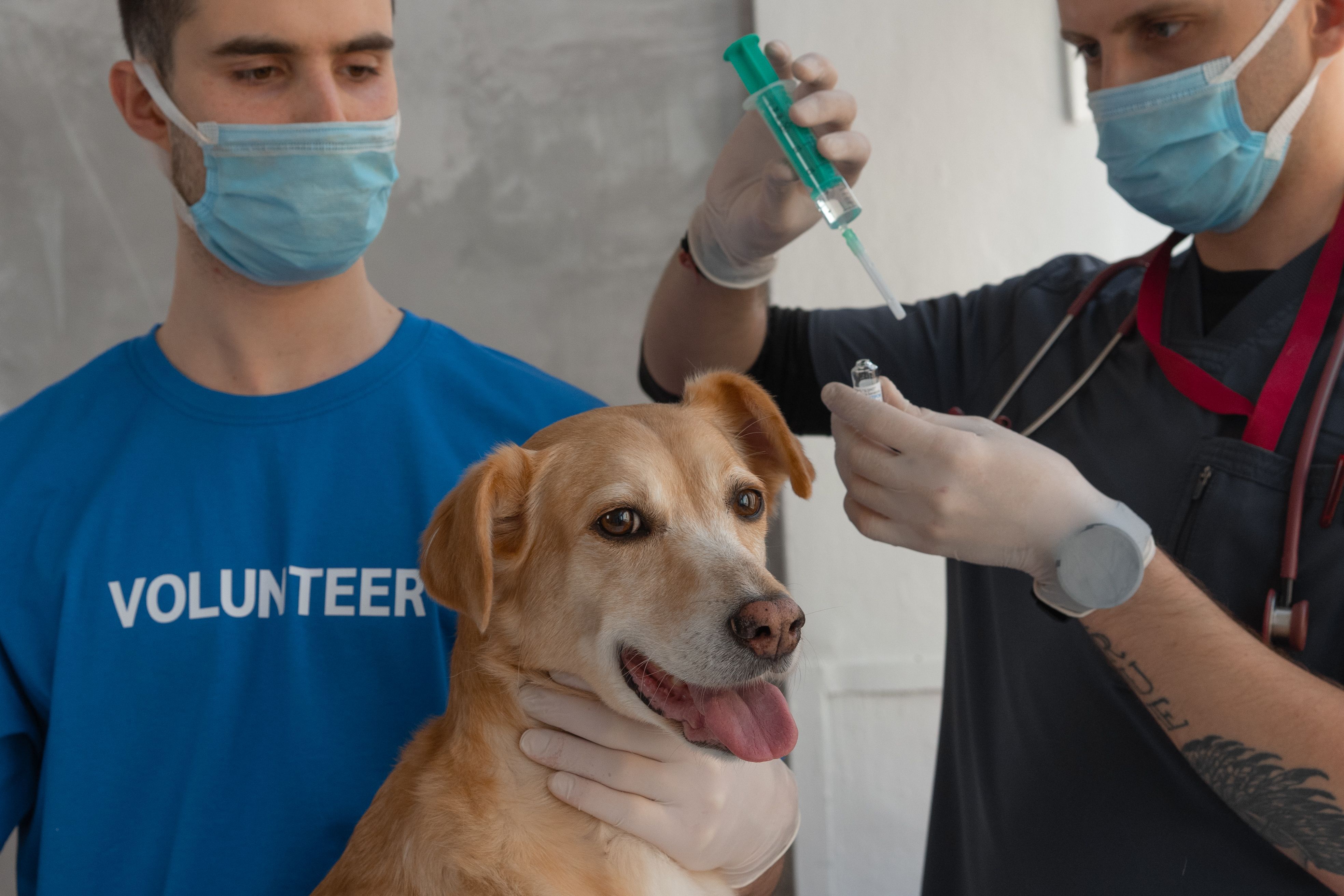
What Vaccines Do Australian Puppies Need?
The Australian puppy vaccination guide distinguishes between core vaccines, required for all dogs, and non-core vaccines recommended based on lifestyle and location.
Core vaccines (C3) protect against:
- Canine parvovirus, a highly contagious virus that’s often fatal in unvaccinated puppies
- Canine distemper virus attacks the nervous and respiratory systems
- Canine adenovirus (infectious canine hepatitis)
Non-core vaccines most commonly recommended in Australia:
- Bordetella bronchiseptica and parainfluenza (kennel cough) – essential for any dog mixing with others
- Leptospirosis – particularly relevant in NSW, especially near waterways where rodent activity is high
The C5 vaccine covers all of the above except leptospirosis and is the standard recommendation for most Australian dogs that socialise.
The Puppy Vaccination Schedule Australia Vets Recommend
This is the standard puppy vaccination schedule most Australian vets follow, based on AVA guidelines:
|
Age |
Vaccine |
|
6–8 weeks |
C3 (parvovirus, distemper, hepatitis) |
|
10–12 weeks |
C3 + kennel cough (C4 or C5) |
|
14–16 weeks |
C3 + kennel cough booster (C5) |
|
16–18 weeks |
Optional leptospirosis vaccine (risk-based) |
|
6 months |
C3 booster (recommended by some vets) |
|
Annual |
Kennel cough booster; triennial core boosters as advised |
Why three rounds? Maternal antibodies protect puppies early but fade between 6 and 16 weeks, and during that window, they can also interfere with vaccines. Multiple doses ensure immunity builds reliably as maternal protection drops off.
What Can My Puppy Do Before Vaccinations Are Complete?
Your puppy is at risk from parvovirus until one week after their final vaccination at 14–16 weeks – so dog parks and high-traffic areas are off the table until then. But social isolation has its own risks; puppies have a critical socialisation window that closes around 12–16 weeks.
- Puppy preschool is fine from 10–12 weeks, provided all attendees are vaccinated
- Playdates with vaccinated adult dogs at home carry low risk
- Carrying your puppy in busy areas lets them observe the world without ground contact
What About Kennel Cough?
Kennel cough spreads rapidly anywhere dogs interact: parks, groomers, boarding kennels, vet waiting rooms. Most Australian boarding facilities and daycare operators require a current C5 as a condition of entry. The kennel cough component needs annual boosting even when core vaccines move to a triennial schedule.
Don't Forget Parasite Prevention
A complete puppy vaccination schedule Australia owners follow should be paired with parasite prevention from the start.
- Heartworm: Prevention should begin at 8 weeks. Heartworm tablets for dogs are available in monthly oral options or as an annual injection your vet administers.
- Intestinal worms: Puppies need worming every two weeks from 2 weeks of age until 12 weeks, then monthly until 6 months. Our intestinal wormer for dogs range covers the main types (roundworm, hookworm, tapeworm, and whipworm).
- Fleas and ticks: NexGard chewables for dogs can be started from 8 weeks in puppies over 2kg, providing monthly flea and tick protection.
- Gut health: Some puppies experience loose stools around vaccination time as their immune system responds. Probiotics for dogs can help support digestive balance during this period.
Side Effects: What This Puppy Vaccination Guide Says to Watch For
Mild reactions are normal and usually pass within 24–48 hours: a bit of tiredness, reduced appetite, or minor swelling at the injection site. Keep your puppy rested and well-hydrated.
Contact your vet promptly if you notice facial swelling, vomiting, difficulty breathing, or collapse. These signs of allergic reaction are rare but need immediate attention.
At The Animal Pharmacy, Australia's original dedicated pet pharmacy, all parasite prevention products are sourced from Australian veterinary wholesalers, APVMA-registered, and dispensed by registered pharmacists. Vaccinations require your vet, but everything else that supports a healthy puppy start is available through us.
Disclaimer: This article is for general educational purposes. Always consult your veterinarian to develop a vaccination and parasite prevention plan tailored to your puppy's needs.