

Hyperthyroidism in Cats: Symptoms and Treatment
21st Aug 2026
Your older cat is eating like never before, yet the weight keeps dropping off. She's restless at night, drinking more, and her once-glossy coat looks a bit ragged. These are classic signs of hyperthyroidism in cats, one of the most common hormonal conditions affecting senior felines. The good news? It's very treatable, and most cats go on to live full, comfortable lives once it's under control.
This guide walks through what hyperthyroidism is, the symptoms to watch for, how vets diagnose it, and the treatment options available in Australia.
Quick Answers
- What it is: An overactive thyroid gland producing too much thyroid hormone, speeding up your cat's metabolism.
- Who it affects: Almost always middle-aged and senior cats. It's rare under the age of eight.
- Key symptoms: Weight loss despite a big appetite, increased thirst, restlessness, vomiting, and a scruffy coat.
- How it's diagnosed: A physical exam plus a blood test measuring thyroid hormone (T4) levels.
- Treatment options: Daily medication, prescription diet, surgery, or radioactive iodine therapy.
- Prognosis: Good. With the right treatment and monitoring, most cats recover well.
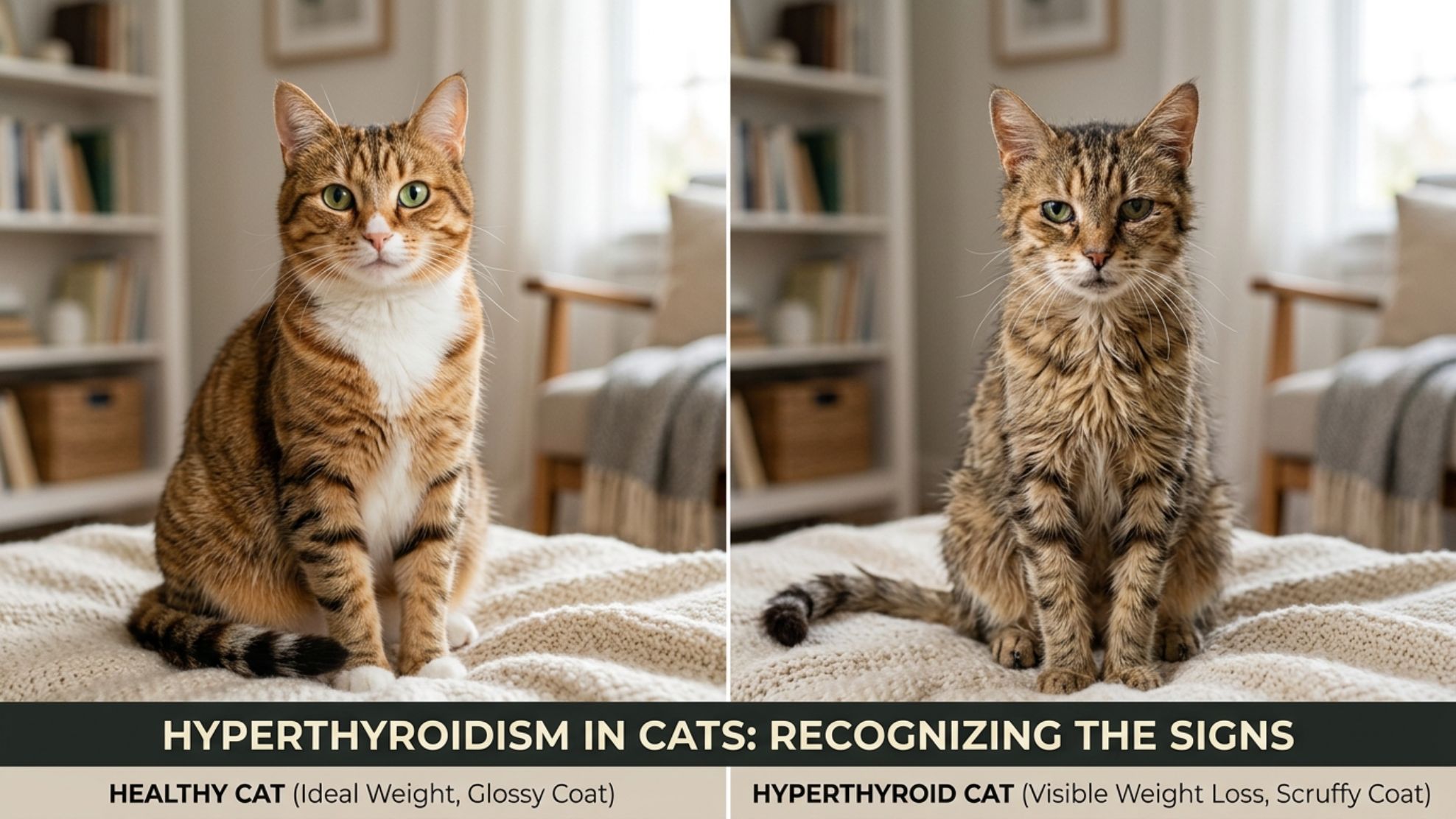
What Is Hyperthyroidism in Cats?
Hyperthyroidism happens when the thyroid glands (two small glands on either side of your cat's windpipe) produce too much thyroid hormone. These hormones (T3 and T4) control metabolism, so when there's an excess, your cat's whole body shifts into overdrive.
In most cases, the cause is a benign, non-cancerous enlargement of the thyroid tissue. Both thyroid lobes are affected in roughly 70% of feline cases, and thyroid cancer is rare, accounting for under 3% of cases. So while the word "tumour" gets used, it's usually not the frightening kind.
This is very much a disease of older cats. The condition affects about 10% of cats over 10, which is why regular senior check-ups matter so much. Interestingly, Siamese and Himalayan breeds appear to be at lower risk than the general cat population.
Hyperthyroidism in Cats: Symptoms to Watch For
The tricky thing about hyperthyroidism in cats is that symptoms creep in slowly. Many owners chalk up the early changes to normal ageing, so they can go unnoticed for months.
The most common signs include:
- Weight loss despite a hearty appetite. Your cat may seem hungrier than ever, but keeps losing condition.
- Increased thirst and urination. You might be refilling the water bowl more often or scooping a fuller litter tray.
- Restlessness or hyperactivity. Pacing, difficulty settling, or seeming "wired."
- Increased vocalisation. More meowing, sometimes at night.
- Vomiting or diarrhoea. Digestive upsets are common.
- A scruffy, greasy, or matted coat. Grooming often slips.
- A fast heart rate. Something your vet will pick up on examination.
A drop in body weight is often the first sign of hyperthyroidism in cats, which is one reason regular vet visits are so important for older cats.
Left untreated, the condition puts real strain on the body. Over time, it can lead to high blood pressure, heart disease, and significant weight loss, so catching it early makes a big difference.
How Is Hyperthyroidism Diagnosed?
Diagnosis is usually straightforward. Your vet will start with a physical exam, feeling along your cat's neck, where an enlarged thyroid gland can be felt in around 90% of cases.
From there, a blood test confirms it. A high total thyroid hormone (T4) concentration is the hallmark of hyperthyroidism and confirms the diagnosis in a cat showing clinical signs. That said, the test isn't always clear-cut on the first go. Approximately 5–10% of affected cats have normal T4 concentrations, so additional testing may be needed.
There's one important overlap your vet will check for: kidney disease. Older cats often have both hyperthyroidism and kidney disease, and treating them together is a delicate balancing act, because the high thyroid hormone levels increase blood flow to the kidneys and can mask an underlying kidney problem. This is a key reason vets often favour a reversible treatment first, to see how the kidneys respond before committing to anything permanent.
Hyperthyroidism in Cats: Treatment Options
There's no one-size-fits-all here. The right choice depends on your cat's overall health, your budget, and what's practical for your household. Any treatment decision should be made with your vet, but here's what's on the table in Australia.
Anti-Thyroid Medication
Daily medication is the most common starting point, and often the most accessible. These drugs contain methimazole (also called thiamazole), which controls the overproduction of thyroid hormones. In Australia, Felimazole tablets for cats are widely used, and there's also a liquid form, Thyronorm oral liquid for cats, which can be easier for cats that resist tablets.
Medication doesn't cure the condition, but it manages it well. Most cats show noticeable improvement in thyroid hormone levels within 4–6 weeks, though lifelong treatment with regular monitoring and dosage adjustments is needed. It's worth knowing about possible side effects too. Methimazole can occasionally cause vomiting, facial scratching, or changes in blood tests, so your vet will schedule check-ups to keep an eye on things.
Prescription Diet
For some cats, a specially formulated low-iodine diet can help manage the condition. Because the thyroid needs iodine to produce its hormones, restricting dietary iodine reduces hormone production. It's a gentler, non-medication route, but it only works if your cat eats that food exclusively, no treats, no scraps, no hunting.
Radioactive Iodine Therapy
This is widely regarded as the gold-standard treatment. Radioactive iodine is the only curative treatment for hyperthyroidism in cats. A single injection targets and destroys the overactive thyroid tissue while sparing healthy tissue, and most cats are cured with one treatment. The trade-offs are cost and the need for your cat to stay hospitalised for a short period afterwards, as they're mildly radioactive during recovery. It's offered at specialist facilities rather than all general clinics.
Surgery
Surgical removal of the affected thyroid gland is another permanent option, though it's used less often these days. Vets typically only recommend surgery if the gland is cancerous, which is very rare, or if medication and radiation aren't suitable. It carries the usual risks of anaesthesia, which are especially important for older cats.
Supporting Your Cat Through Treatment
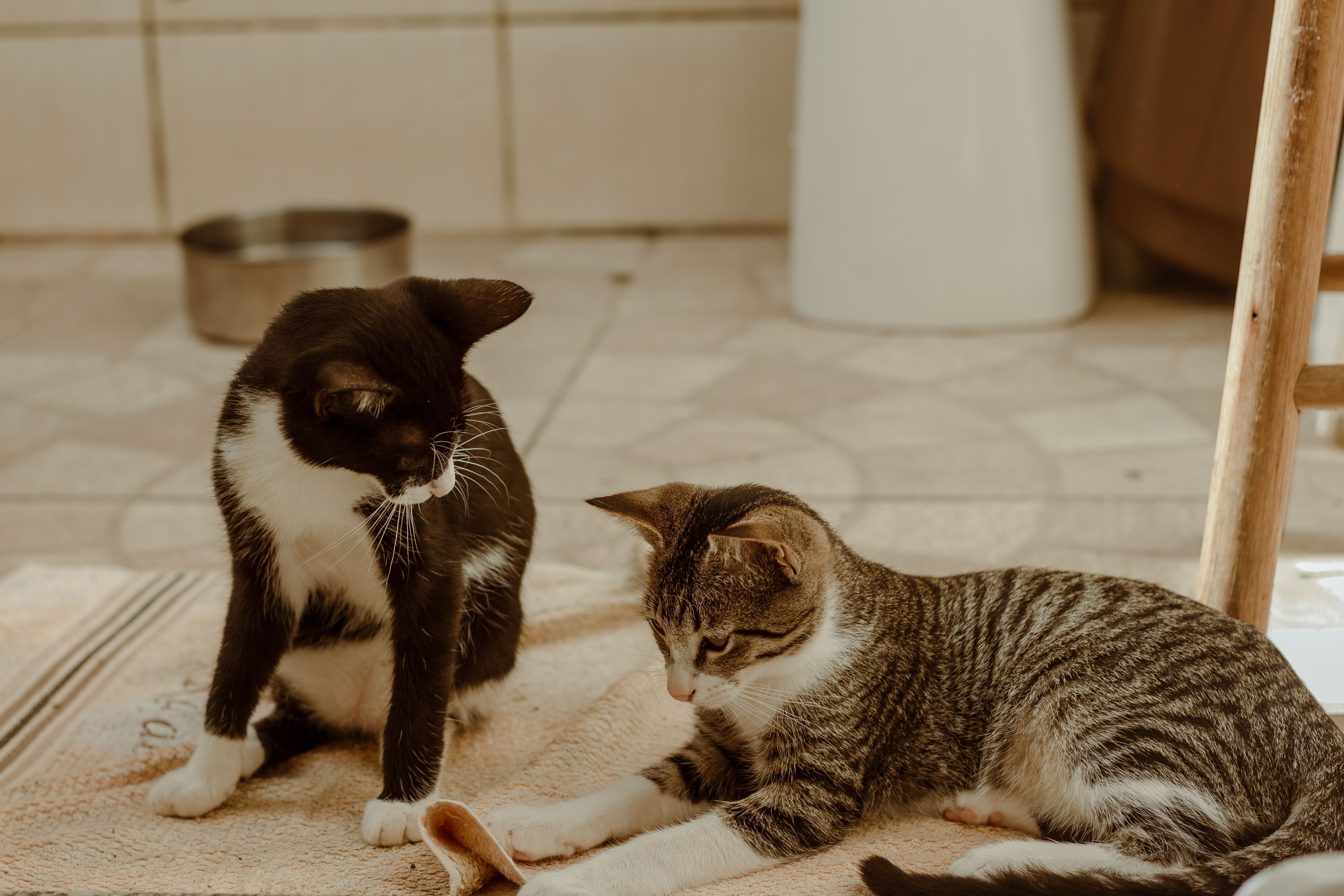
Managing a chronic condition is as much about the day-to-day as it is about the medication itself. Because hyperthyroidism can affect the liver, some vets recommend liver-support supplements alongside treatment. Denamarin for cats is a commonly used product that supports liver function. If your cat has digestive upsets, a gentle digestive cat food can help settle their stomach while their body adjusts.
Whatever the treatment path, consistency is everything, giving medication at the same time each day, keeping vet appointments, and watching for changes in appetite, weight, or behaviour.
Can Hyperthyroidism in Cats Be Prevented?
There's no proven way to prevent it. Despite extensive research, the underlying cause of hyperthyroidism in cats remains unclear, so there's no vaccine or lifestyle change that reliably keeps it away.
What you can do is catch it early. Because this is a disease of older cats, the single most useful thing is regular senior health checks, ideally including annual or six-monthly blood work once your cat passes about seven years of age. Early detection means simpler management, better outcomes, and less strain on your cat's heart and kidneys.
Find The Support You Need
Hyperthyroidism in cats sounds alarming, but it's one of the more manageable conditions your senior cat can face. Watch for the tell-tale combination of weight loss with a big appetite, get a blood test if you're unsure, and work with your vet on the treatment that suits your cat and your circumstances. With the right care, most hyperthyroid cats return to their happy, comfortable selves.
At The Animal Pharmacy, we make ongoing treatment more affordable by supplying the same vet-prescribed medications you'd get at your clinic, often at lower prices, delivered to your door. If your vet has prescribed medication for your cat's thyroid condition, visit The Animal Pharmacy to order with your script, or call our team on (02) 8599 9759 if you have any questions.