

Cat Constipation & Laxatives: What to Use
17th Aug 2026
A cat that keeps hopping in and out of the litter tray, crouching, straining, then wandering off with nothing to show for it, is one of the more common worries owners ring a vet about. Spotting cat constipation symptoms early can be important, because a mild backup left too long can turn into a painful and serious problem.
This guide covers what normal looks like, the warning signs, and how to choose a safe cat laxative for constipation, plus when the situation calls for a vet rather than a home fix.
Key Takeaways
- Most healthy cats pass at least one stool a day. Going 48 to 72 hours without one is a warning sign worth acting on.
- Typical signs include straining, small, hard, pellet-like stools, repeated trips to the tray, reduced appetite, and low energy.
- Lactulose and polyethylene glycol (PEG 3350) are the laxatives vets reach for most often, always dosed to the individual cat.
- Never give human laxatives or enemas without veterinary advice. Some are toxic to cats.
- Steady hydration, wet food, the right fibre, and probiotics all help prevent it from coming back.
What Counts as Cat Constipation?
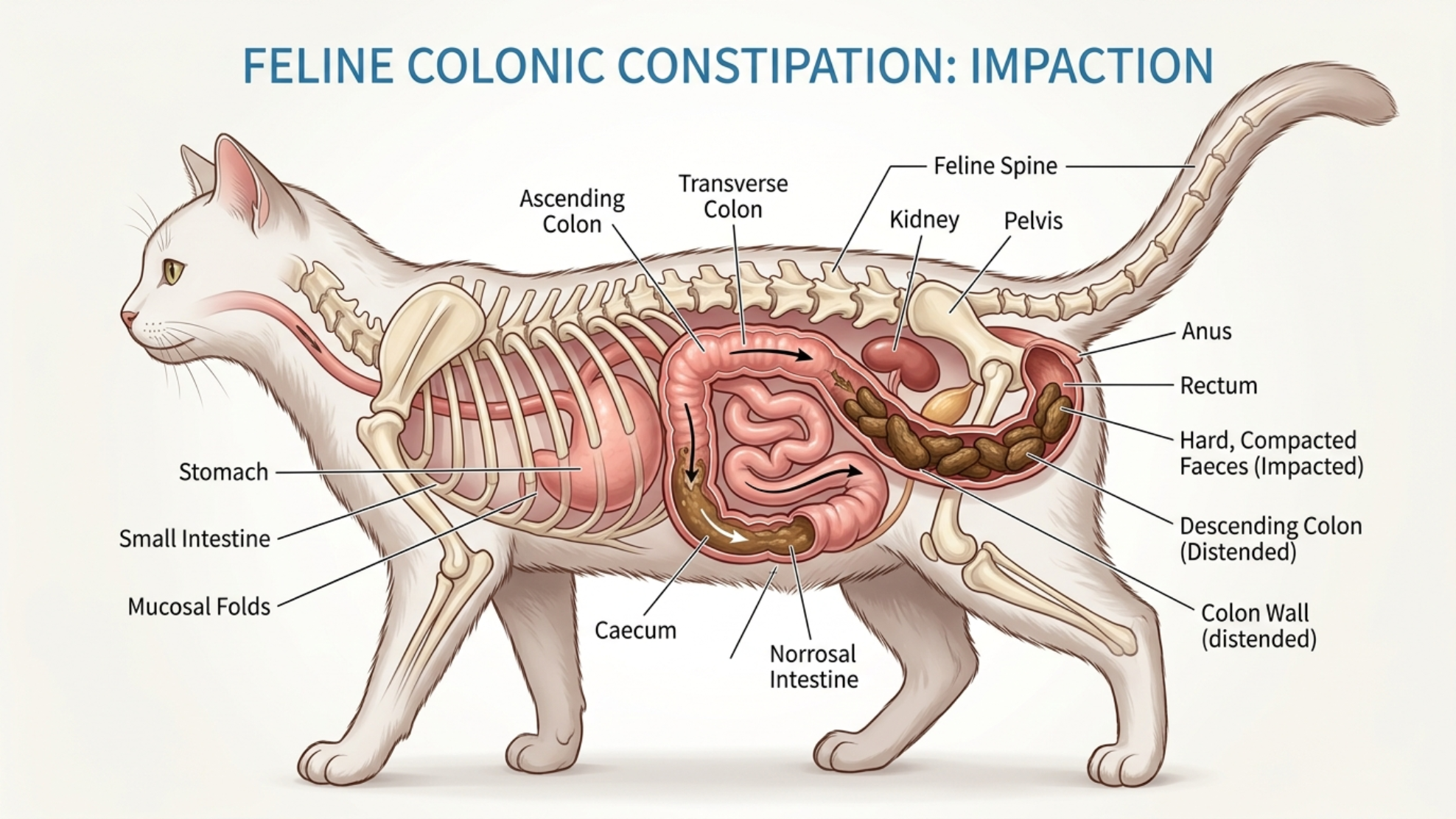
Constipation is the infrequent or difficult passage of hard, dry stool. When faeces sit in the colon too long, the body keeps absorbing water from them, so they dry out and become even harder to pass, which feeds a frustrating cycle.
Healthy cats generally have a bowel movement roughly once a day. If your cat goes two or more days without passing anything, that suggests constipation and warrants investigation. Constipation is a common problem in domestic cats and is best treated promptly to prevent it from progressing.
Cat Constipation Symptoms to Watch For
The clearest cat constipation symptoms show up around the litter tray. Watch for a cat that strains or cries while trying to go, makes repeated trips without producing much, or passes small, dry, pebble-like stools that may be streaked with blood or mucus.
Because a straining cat can look like they have a urinary problem, it is easy to mix the two up, so any hard straining deserves a closer look. Other signs include a drop in appetite, low energy, hiding, vomiting, and sometimes going to the toilet outside the tray.
If your cat is straining and producing no urine at all, treat that as an emergency and call a vet straight away, as a urinary blockage can be life-threatening within hours.
What Causes Constipation in Cats?
Diet, hydration, mobility and underlying illness all shape how well the bowel moves. Common triggers include:
- Dehydration and dry diets. Cats on mostly dry food and low water intake produce firmer stool. Chronic kidney disease, common in older cats, adds to fluid loss and is a frequent contributor.
- Swallowed fur. Long-haired and heavy-shedding cats can accumulate hair in the gut, which can stiffen the stool.
- Litter tray issues. A dirty tray, a new litter, or a location near something noisy or frightening can make a cat hold on rather than go, and holding on leads to drying out.
- Pain and reduced mobility. Arthritis makes crouching in the tray uncomfortable, so sore cats often avoid it. Easing joint discomfort with a vet-recommended cat hip and joint supplement can be part of the picture for older cats.
- Megacolon. In this condition, the colon stretches, and its muscle loses the strength to push stool along. It is the most common cause of ongoing constipation in cats and usually needs long-term veterinary management.
In many cats, the exact cause is never pinned down, and vets call this idiopathic constipation.
Which Cat Laxative for Constipation Is Safe?
Choosing a cat laxative for constipation is a decision to make with your vet That said, it helps to understand the main options, because most work in one of two ways: by pulling more water into the stool, or by lubricating it so it slides through more easily.
Lactulose
This is the long-standing first choice. It is an osmotic laxative, a type of indigestible sugar that draws water into the bowel to soften stool. It is used off-label in cats and is generally considered safe when given as directed by your vet, with the dose based on body weight and adjusted until stools are consistently soft. Give too much and the main side effects are loose stools and dehydration, so it is titrated carefully rather than poured in. Products such as Actilax and APO Lactulose contain this same active ingredient.
Polyethylene Glycol (PEG 3350)
This is another osmotic option that has grown popular in feline medicine because it has little taste and mixes easily into food, which many fussy cats accept more readily than lactulose. Some vets now favour it for cats with megacolon or stubborn constipation.
Lubricant and Hairball Pastes
These coat the stool and help it pass, and can be useful for fur-related cases, though they are better suited to mild or occasional constipation than to serious backups.
Fibre
Adding the right fibre, from psyllium to a purpose-made high-fibre diet, can improve motility, though the balance matters, since too much of the wrong type can cause loose stools or reduce nutrient absorption. A vet-formulated gastrointestinal cat food takes the guesswork out of striking the right balance.
Whichever option suits your cat, treatment usually aims for two to three soft stools a day, and the dose is fine-tuned to reach that.
Why You Should Never Use Human Laxatives
Cats process medicines very differently from people, and several common human products are dangerous to them. Stimulant laxatives containing ingredients such as bisacodyl or sennosides can cause vomiting, cramping and diarrhoea, and phosphate-based enemas sold for humans can trigger severe, potentially fatal shifts in a cat's electrolytes.
Enemas, in particular, are best left to the clinic. Given incorrectly at home, they can injure a cat or cause life-threatening complications, and some cats need sedation for one to be done safely. The safe rule is simple: no laxative, enema or stool softener without a vet's say-so.
Home Care and Prevention
Once serious causes are ruled out, day-to-day habits do a lot of the heavy lifting in keeping things moving:
- Boost water intake. Wet food, a pet water fountain, and extra bowls in quiet spots all encourage drinking. Hydration is the single most useful lever for softer stools.
- Get the diet right. Moisture-rich or fibre-tuned food suits many prone cats better than dry-only feeding. Change foods gradually and check with your vet first.
- Support the gut. A quality feline probiotic, such as FortiFlora for cats, helps maintain healthy gut flora. You will find a full range of cat probiotics in Australia formulated for exactly this.
- Keep the tray inviting. Scoop daily, keep it in a calm spot, and offer one tray per cat plus one spare.
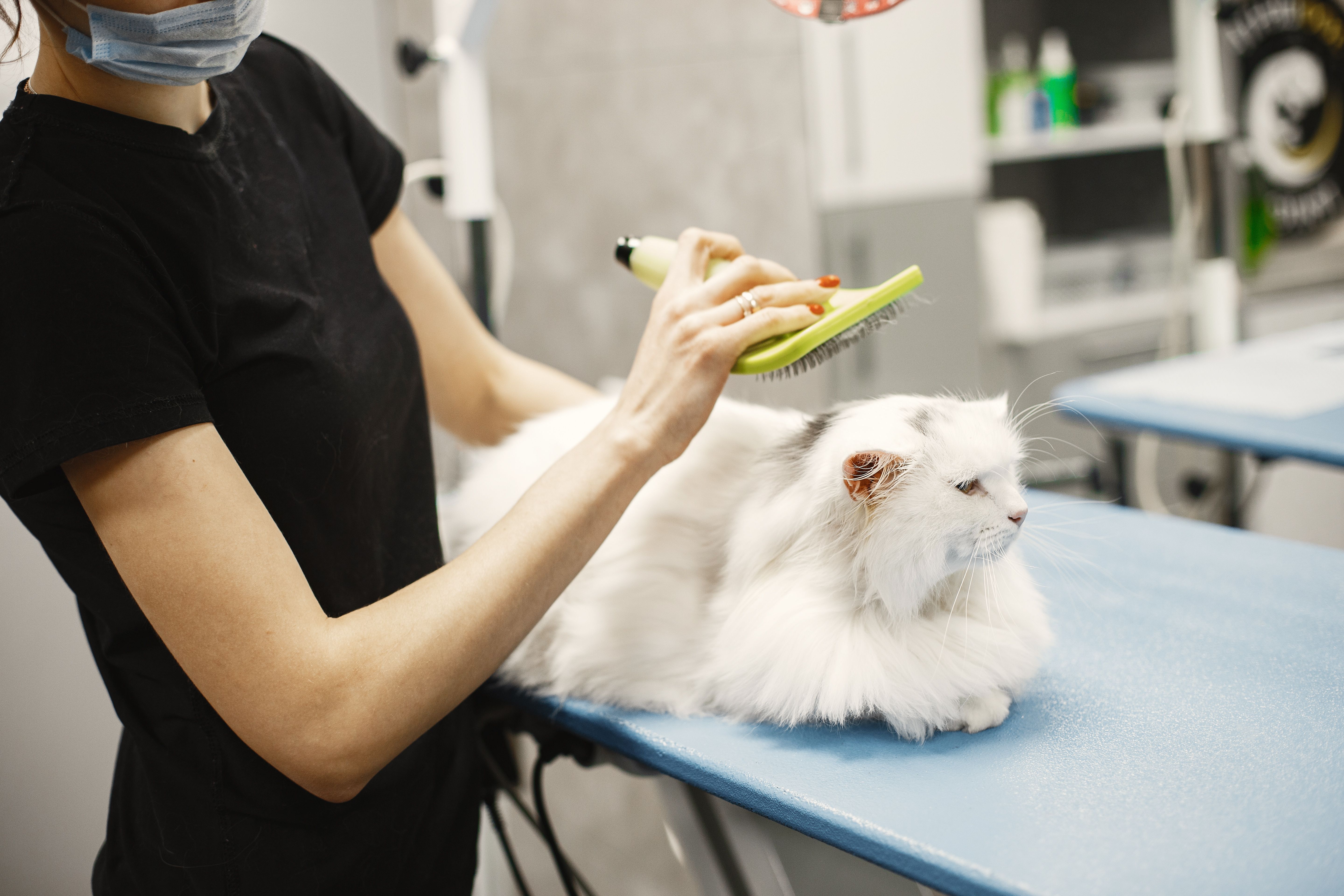
- Manage weight and grooming. A healthy weight and regular brushing, especially for long-haired cats, cut two common risk factors at once.
When to See a Vet
Home care suits mild, one-off episodes. Book a vet visit if your cat has not passed a stool in 48 to 72 hours, is straining repeatedly, has gone off their food, seems lethargic, or is vomiting. Repeated bouts also warrant a check, since constipation can be the visible tip of an underlying illness.
Left untreated, constipation can progress to obstipation, a severe blockage that the cat can no longer clear on its own, and on to megacolon. These are serious, sometimes irreversible conditions that can require hospital treatment or surgery, which is exactly why acting early is worth it.
Getting the Right Products, Delivered
If your vet has recommended a stool softener, a fibre diet or a gut supplement, The Animal Pharmacy stocks vet-grade options, including lactulose, gastrointestinal cat food and feline probiotics, at prices below most clinics, with delivery to your door. Prescription items simply need a script from your vet.
Explore The Animal Pharmacy to see the range, or call the team on (02) 8599 9759 if you would like a hand finding the right product for your cat.
Constipation is common and, caught early, very manageable. Keep an eye on the litter tray, keep the water up, and lean on your vet for anything more than a mild, passing episode.